Haineng Environmental Technology +86 138 5316 6316 sdhaineng123@163.com
Get a Solution
Home/Industry
APPLICATIONS

Industry

One Goujunqing product line covering industrial circulating water, HVAC, district heating, water supply and steel metallurgy applications.

FIND BY APPLICATION

Start with the application, then choose the model

One unit serves multiple circulating water systems. Explore pain points, recommended models and completed projects by application.

01 INDUSTRIAL COOLING WATER

Industrial Cooling Water

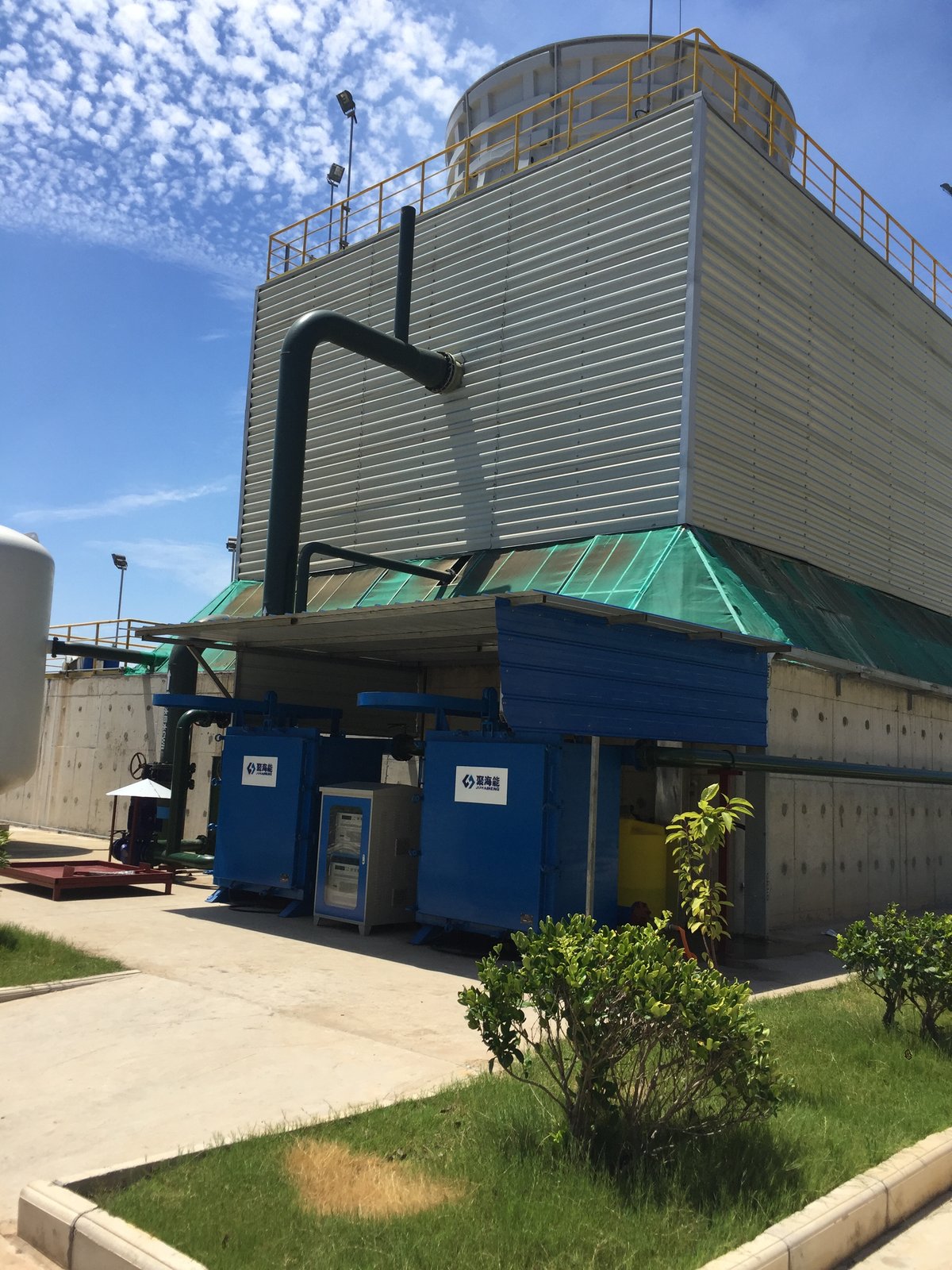
Cooling-water systems in pharmaceutical and chemical plants are densely packed with heat exchangers, where scaling, biofouling and chemical residue typically coexist. Goujunqing replaces chemical dosing with physical electrochemistry, achieving descaling, sterilization and corrosion inhibition within one system.

Industrial Cooling Waterequipment on site

Typical Pain Points

  • Scaling and heat-transfer lossScale-forming ions deposit on heat-exchanger surfaces, cutting efficiency and raising energy use.
  • Chemical residue and blowdownLong-term dosing of corrosion inhibitors and biocides keeps discharge volumes and environmental pressure high.
  • Limited concentration factorLow cycles of concentration are the only safe option, so make-up water and operating cost stay high.

Recommended Models

Delivery HighlightsIn commissioned projects the concentration factor rises steadily above 5×, up to 5.24×, all water-treatment chemical dosing goes to zero, and the payback period is under one year.

02 CENTRAL AIR-CONDITIONING WATER

Central Air-Conditioning Water

Cooling towers and chilled-water systems in central air-conditioning build biological slime and scale layers over long runs, and conventional schemes rely on periodic dosing and cleaning. The equipment connects directly to existing piping, replacing intermittent chemical cleaning with continuous electrochemical treatment.

Central Air-Conditioning Waterequipment on site

Typical Pain Points

  • Biological slime build-upAlgae and bacteria colonise cooling-tower fill and heat-exchanger surfaces, raising fan load and shrinking heat transfer.
  • Cleaning means shutdownChemical cleaning requires shutdown and drain-down, interrupting the cooling supply.
  • Complex dosing managementDosing, testing and blowdown all need dedicated attendance, so operating cost stays high.

Recommended Models

Delivery HighlightsThe unit connects to existing circulating-water piping and needs mainly routine inspection. Model and capacity are assessed by our engineers against system flow, water quality and heat load.

Project Materials

Case data and measured results for this duty are available on request — our engineers will combine your water quality and operating conditions to provide a matching selection.

Request Materials for This Duty
03 DISTRICT HEATING · HEAT EXCHANGER STATION

District Heating · Heat Exchanger Station

Secondary heat-exchange stations run at high temperature and concentrate fast, and plate heat exchangers are especially sensitive to scale. Goujunqing descaling and sterilization online at the station side reduces plate-exchanger cleaning frequency and the risk of interrupting the heating season.

District Heating · Heat Exchanger Stationequipment on site

Typical Pain Points

  • Plate-exchanger scalingPlate heat exchangers have narrow flow channels, so scale quickly depresses heat-transfer efficiency and heating quality.
  • No shutdown in heating seasonCleaning during the heating season affects user comfort, and the maintenance window is extremely narrow.
  • Make-up and blowdown costOnce scaled, more blowdown and make-up are needed, raising both water cost and heat loss.

Recommended Models

Delivery HighlightsSemi-automatic compact or fully automatic models can be selected by station size. Continuous-operation schemes for the heating season and the installation position require a site survey first.

Project Materials

Case data and measured results for this duty are available on request — our engineers will combine your water quality and operating conditions to provide a matching selection.

Request Materials for This Duty
04 WATER SUPPLY · POTABLE & HOT WATER

Water Supply · Potable & Hot Water

Potable and hot-water systems demand stricter control of scaling and microbiological growth. Electrochemical treatment suppresses scale and biofilm physically, offering an alternative to softening resin or chemical dosing and reducing chemical residue.

Water Supply · Potable & Hot Waterequipment on site

Typical Pain Points

  • Hardness and scalingHard raw water forms scale in pipes and at terminal fixtures, affecting flow and hygiene.
  • Microbiological controlThe temperature band in hot-water systems suits algal and bacterial growth, which needs continuous suppression rather than intermittent shocking.
  • Residue concernsPotable applications are more sensitive to chemical dosing and tend to prefer physical treatment.

Recommended Models

Delivery HighlightsThe scheme is assessed against raw-water quality, water consumption and local drinking-water standards. We provide water analysis and model-selection advice, and make no compliance promise beyond the actual duty.

Project Materials

Case data and measured results for this duty are available on request — our engineers will combine your water quality and operating conditions to provide a matching selection.

Request Materials for This Duty
05 STEEL & METALLURGY

Steel & Metallurgy · High Heat Load

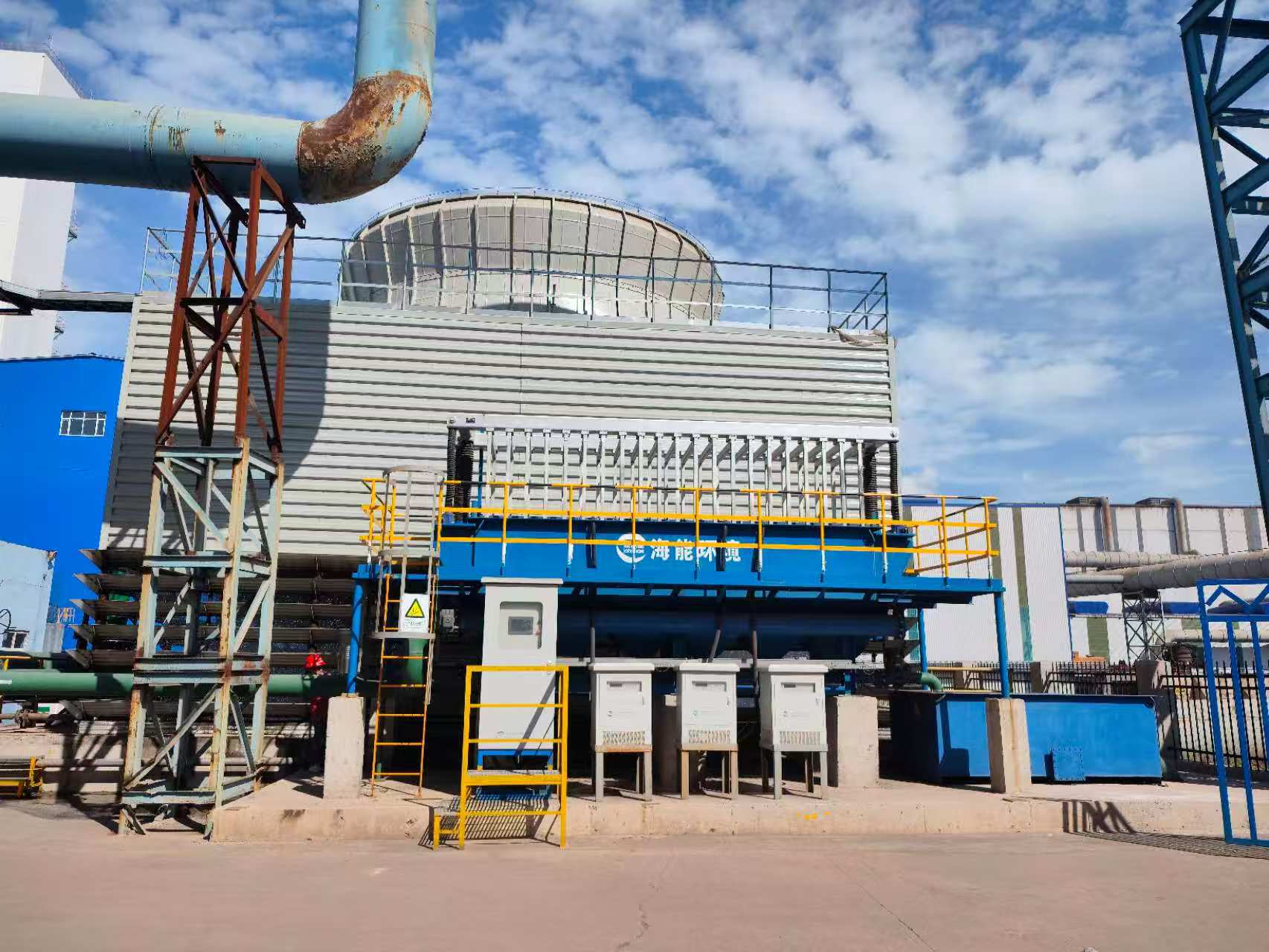
Steel and metallurgical processes carry very high heat loads and a strong scaling tendency. Water-saving and energy-efficiency targets raise the bar for water quality management. The company’s related technology has been listed in the steel-industry extreme energy-efficiency catalogue and in the MIIT typical cases for industrial wastewater recycling.

Steel & Metallurgy · High Heat Loadequipment on site

Typical Pain Points

  • Heavy-load scalingScale grows fast under high heat flux, and equipment efficiency drops noticeably.
  • Water-saving targetsConcentration factor cannot be raised, so make-up and blowdown volumes stay high.
  • Corrosion and biofilm togetherWater quality fluctuates, so corrosion inhibition and sterilization must be handled at the same time.

Recommended Models

Delivery HighlightsThe technology is listed in the “2024 Steel Industry Extreme Energy-Efficiency Technology Catalogue (T80)” and in MIIT typical cases for industrial wastewater recycling. Project data for the specific duty can be requested from us.

Project Materials

Case data and measured results for this duty are available on request — our engineers will combine your water quality and operating conditions to provide a matching selection.

Request Materials for This Duty
No public data for this duty yet — please choose another.
NOT SURE WHERE TO START

Not sure where to start?

Share flow, water quality and system type; our engineers will recommend a model and installation plan.

REQUEST A SOLUTION

Send Us Your Circulating Water Challenge

Share your flow rate, water quality and system type. Our engineers will respond with a selection proposal and ROI estimate within 24 hours.

Phone +86 138 5316 6316 WhatsApp WeChat 15820006913 · click to copy Email sdhaineng123@163.com
Call WhatsApp WeChat Email